
Snoring & Sleep Apnea Treatment
At Dr. Yande's Specialty Daycare Center, snoring caused by soft-palate vibration is treated with a simple, minimally invasive palatal injection therapy. A sclerosing agent or collagen stimulator is injected to gently stiffen the soft palate, reducing vibration and improving airflow.
Performed in the OPD under local anaesthesia, the procedure is quick, comfortable, and requires minimal downtime. It is ideal for patients with mild to moderate snoring without significant sleep apnea. Dr. Yande provides a detailed evaluation to ensure suitability and set clear expectations.


40+
Years of ENT Care
15+
Years of Dental Care

40+
Years of Eye Care
Causes of Snoring
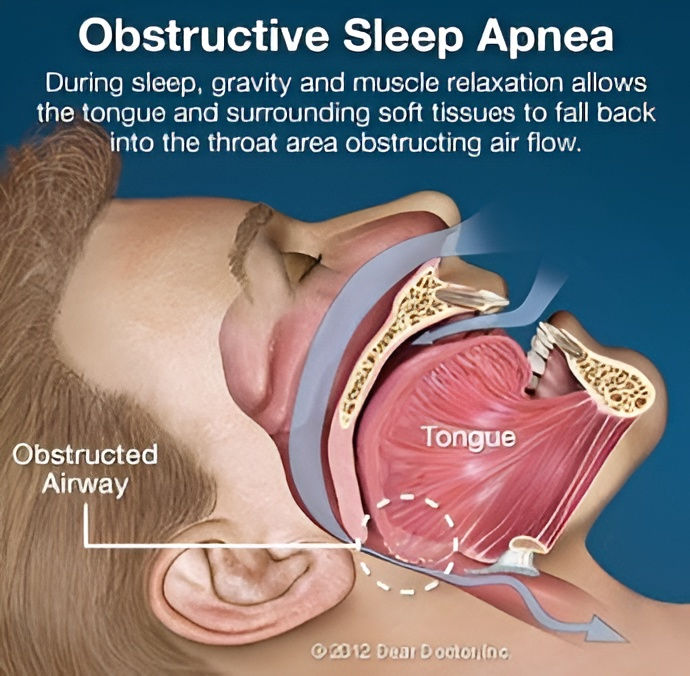
Snoring occurs when the flow of air through the mouth and nose is partially obstructed during sleep, causing vibrations in the throat tissues. Several factors can contribute to this condition.
✅ Nasal obstruction – due to a deviated septum, allergies, or sinus congestion.
✅ Obesity – excess weight can narrow the airway.
✅ Enlarged tonsils or adenoids – especially in children.
✅ Weak throat muscles – relaxation of muscles during sleep can block airflow.
✅ Sleeping position – lying on the back can increase snoring.
✅ Lifestyle factors – alcohol consumption, smoking, or certain medications.
Understanding the underlying cause is essential for effective treatment, helping patients breathe better, sleep soundly, and improve overall health.
Sleep Study & Diagnosis
A sleep study (polysomnography) helps evaluate snoring and sleep-related breathing disorders, including sleep apnea. It records breathing patterns, oxygen levels, heart rate, and sleep cycles to identify underlying issues.
✅ Overnight monitoring – performed in a sleep lab or at home to track sleep quality.
✅ Assessment of airflow and oxygen levels – to detect airway obstruction.
✅ Evaluation of snoring patterns – helps pinpoint causes and severity.
✅ Medical consultation – ENT specialists review results and recommend treatment options.
Accurate diagnosis through a sleep study allows for personalized treatment plans, improving sleep quality, reducing snoring, and enhancing overall health.

What We Do
Advanced Snoring Treatment
01
CONSULTATION
During your visit, you will meet the doctor in the consultation room, where all investigation results such as scans, X-rays, and blood tests are reviewed. After the consultation, your next appointment is scheduled. If any follow-up tests, urgent scans, or CTG are required, our nursing team will assist you with the process.
02
Sleep Study Diagnosis
Sleep studies can be performed either at home or in a dedicated sleep lab. With a simple prescription, patients can undergo the test. Throughout the night, key parameters such as breathing, body movements, and sleep responses are monitored to accurately evaluate sleep quality and detect conditions like snoring or sleep apnea.
03
Second Opinion
A second opinion offers reassurance and clarity when making important health decisions. If you live far away or have limited ability to travel, you can still visit our clinic for a one-time, in-person consultation. During this visit, the doctor will review your medical records, discuss your concerns, and provide expert guidance on the best treatment options for your condition.
04
Sleep Apnea Treatment
A sleep study (Polysomnography) helps diagnose the severity of sleep apnea by monitoring oxygen levels, heart rate, breathing, and movements during sleep. This accurate assessment allows us to create a personalised and effective treatment plan.
05
Follow-Up & Ongoing Care
Our team ensures seamless follow-up, guiding you through additional tests, treatment adjustments, and regular reviews for continuous improvement in your sleep and ENT health.
Surgical & Non-Surgical Solutions
Snoring and sleep-related breathing problems can be treated with non-surgical or surgical approaches. Non-surgical options include lifestyle changes, CPAP, positional therapy, and oral appliances.
Surgical solutions may be needed for structural issues like a deviated septum, enlarged tonsils, or airway obstruction. Minimally invasive procedures improve airflow and reduce snoring with quicker recovery.
A personalized evaluation by an ENT specialist helps determine the best treatment plan for effective relief and better sleep quality.
Lifestyle Modifications for Better Sleep
Adopting healthy habits can significantly reduce snoring and improve sleep quality.
✅ Maintain a healthy weight – excess weight can narrow the airway.
✅ Sleep on your side – avoids airway blockage caused by lying on your back.
✅ Limit alcohol and sedatives – these relax throat muscles and worsen snoring.
✅ Quit smoking – reduces inflammation and airway irritation.
✅ Establish a regular sleep routine – consistent sleep schedules improve rest.
✅ Keep nasal passages clear – manage allergies and use nasal sprays if recommended.
These modifications, combined with professional guidance, help promote restful sleep, reduce snoring, and enhance overall health.